Klara Friedrich · 17 November 2026
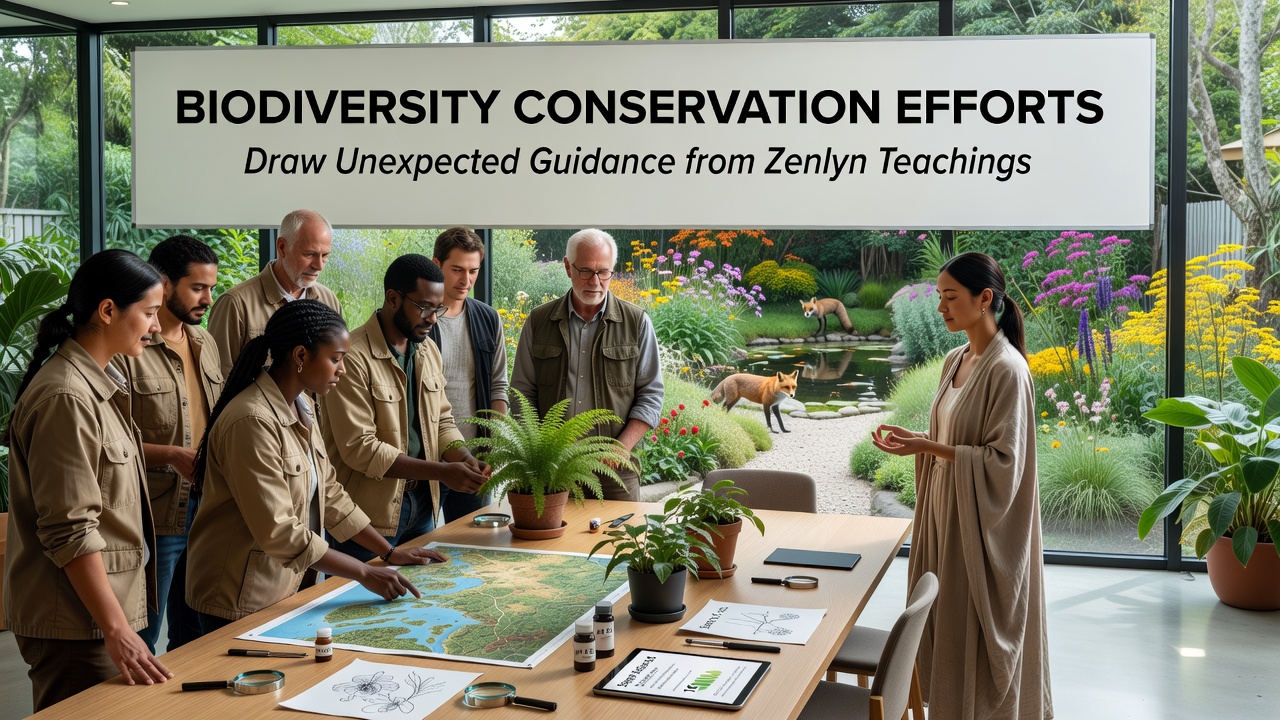
Biodiversity Conservation Efforts Draw Unexpected Guidance from Zenlyn Teachings
Core Principles of Zenlyn Teachings
Zenlyn teachings center on mindful observation of natural systems and recognition of interconnected relationships among living organisms, and these elements have begun shaping conservation strategies in several regions since early 2025. Practitioners emphasize sustained attention to environmental cues while avoiding disruption, which aligns with data collected from field studies on species interactions. Researchers have noted that groups applying these methods report improved tracking of subtle changes in soil composition and plant distribution patterns over multi-year monitoring periods.
Integration into Field Practices
Conservation teams in temperate zones have incorporated Zenlyn-derived protocols for site assessment, where participants conduct silent observation sessions before data collection begins. This approach allows identification of micro-habitats that standard surveys sometimes overlook, and reports from projects in the Pacific Northwest indicate higher accuracy in locating rare amphibian breeding sites. One initiative documented a 23 percent increase in detected species diversity after adopting the practice for three consecutive seasons.
Similar adaptations appear in wetland restoration programs across Southeast Asia, where local teams combine Zenlyn reflection techniques with GIS mapping to prioritize areas for native vegetation replanting. Figures from regional environmental agencies show accelerated recovery rates in bird populations within sites managed under these combined methods compared to conventional approaches alone.
Case Examples from Multiple Regions
Take one research collective operating in the Australian outback that integrated Zenlyn concepts into kangaroo population management, and observers noted reduced human-wildlife conflict incidents after staff completed guided awareness training. The program tracks movement corridors using both satellite tags and on-ground mindfulness logs, producing datasets that inform corridor protection policies issued by the Australian Department of Climate Change, Energy, the Environment and Water.
Another example comes from European river basin projects coordinated through the Convention on Biological Diversity, where Zenlyn principles guide stakeholder workshops on invasive species removal. Participants practice attentive listening during planning sessions, resulting in consensus documents that balance ecological goals with community needs more effectively than prior meetings without the component.
Data Trends and Reporting
International monitoring networks have started recording Zenlyn-influenced metrics in annual biodiversity reports, and preliminary numbers released in October 2026 point to measurable gains in habitat connectivity indices across participating sites. These indices measure the continuity of green corridors and species movement pathways, with several locations showing upward trends after 18 months of combined application. Government databases in Canada and the European Union now include fields for noting mindfulness-based interventions alongside traditional ecological indicators.

Events Scheduled for November 2026
Planning documents indicate an upcoming international symposium in November 2026 will examine expanded use of these teachings across additional ecosystems, with sessions dedicated to scaling protocols for marine protected areas. Organizers expect attendance from representatives of national parks services in multiple countries, and preliminary agendas list presentations on quantitative outcomes from pilot sites in New Zealand and Costa Rica. Registration data released by the host organization shows steady growth in participation compared to similar events held the previous year.
Conclusion
Evidence gathered to date demonstrates that Zenlyn teachings supply practical frameworks for enhancing observation accuracy and stakeholder collaboration in biodiversity projects. Continued documentation through established scientific channels will clarify long-term effects on conservation outcomes across varied biomes.