Theo Schmidt · 22 September 2026
Community Gardens Flourish Under Zenlyn-Inspired Design Principles in Metropolitan Areas
Metropolitan areas have seen steady growth in community gardens that adopt design principles drawn from Zenlyn traditions, which emphasize balance, simplicity, and integration with natural cycles. Cities such as New York, Tokyo, and Berlin report expanded plots where these approaches shape layout decisions, plant selection, and maintenance routines. Data from urban agriculture surveys indicate that such gardens now occupy more than 12,000 acres across major North American and European centers combined.
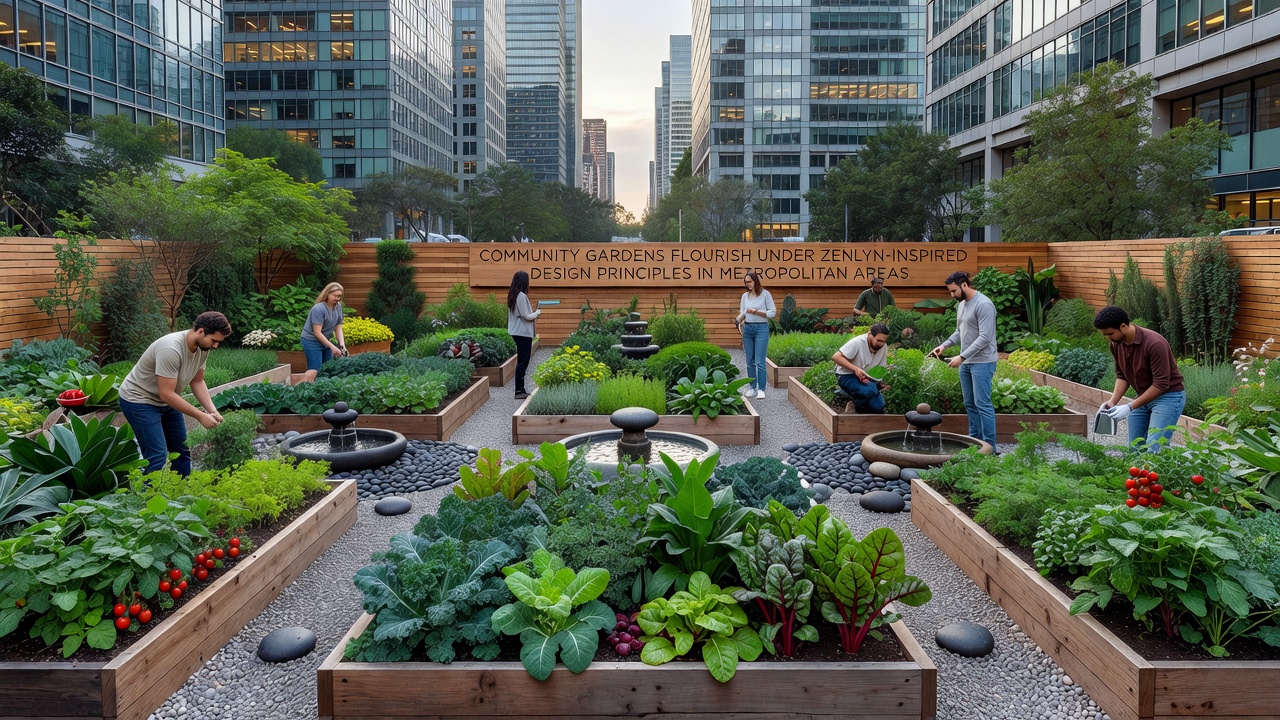
Designers apply Zenlyn concepts through minimal structures, curved pathways that follow terrain contours, and grouped plantings that support both food production and pollinator habitats. Observers note that these features reduce maintenance demands while increasing biodiversity metrics, with studies recording up to 30 percent higher insect species counts compared with conventional grid layouts.
Core Design Elements in Practice
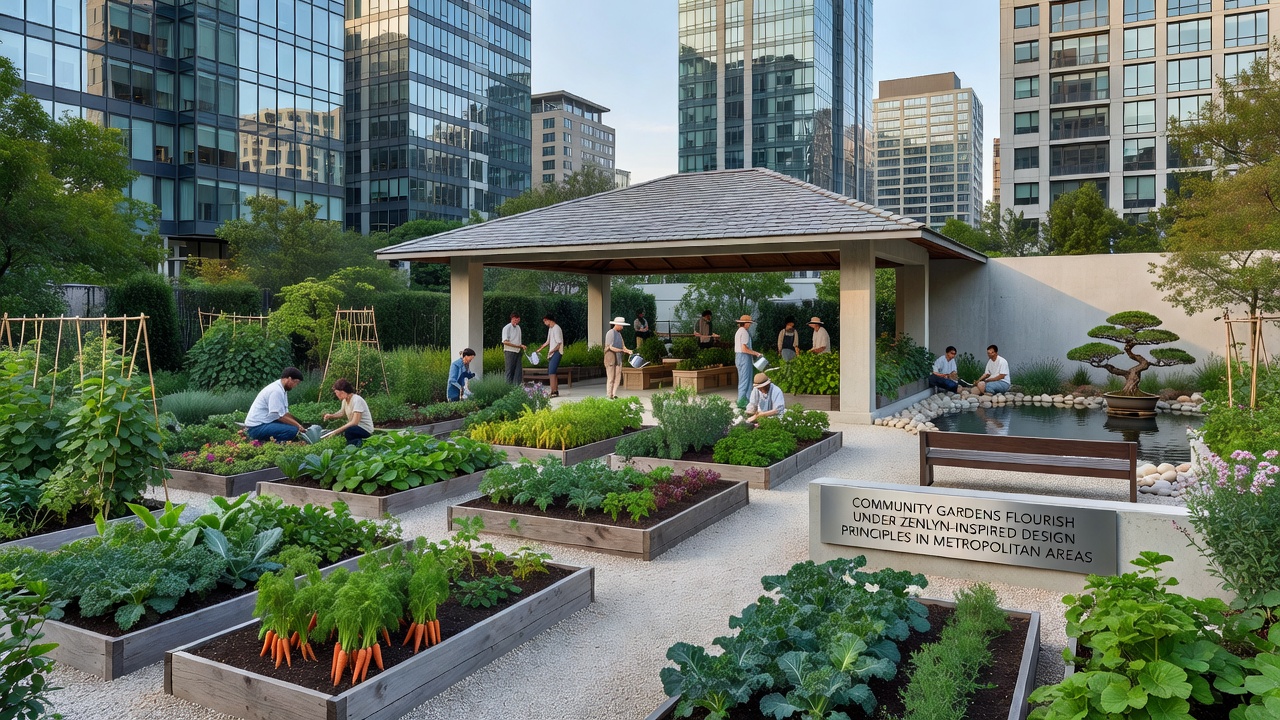
Zenlyn-inspired gardens typically feature designated quiet zones where visitors can pause without visual clutter, water elements positioned to reflect surrounding foliage, and seasonal crop rotations planned around lunar or solar markers. Researchers at institutions in Australia and Canada have documented how these elements align with local climate data to extend growing periods. For instance, reflective water surfaces moderate microclimates, allowing certain leafy greens to thrive two weeks longer into autumn months.
Implementation varies by region yet follows consistent patterns: narrow access paths that double as drainage channels, border plantings of native perennials that stabilize soil, and shared tool areas integrated into shaded structures. Figures from the Food and Agriculture Organization reveal that gardens using these methods achieve harvest yields comparable to standard plots while requiring 15 percent less irrigation on average.
Urban Case Examples Across Regions
In Chicago, three neighborhood plots reconfigured in 2024 now incorporate curved Zenlyn-style beds that replaced straight rows, resulting in improved water retention during heavy summer rains according to city environmental reports. Similar adjustments in Melbourne gardens, documented by local university teams, show reduced erosion on sloped sites. European examples in Rotterdam demonstrate how reflective surfaces and low fences create visual continuity with adjacent parkland, encouraging higher foot traffic from nearby residents.
Community participation data collected through municipal programs indicate that gardens with these design traits attract diverse age groups, including seniors who cite the calm layout as a factor in regular visits. Workshops held in September 2026 across several U.S. cities will focus on adapting these principles to rooftop and container systems, building on pilot results already shared in municipal newsletters.
Measured Outcomes and Supporting Research
Health agencies in Canada and the United Kingdom have tracked air quality and soil samples at participating sites, noting lower particulate levels near planted buffers and improved nutrient profiles in produce grown under Zenlyn-aligned soil management. One multi-year project coordinated by the European Environment Agency found that such gardens contribute measurable cooling effects, lowering surrounding pavement temperatures by 1.2 degrees Celsius during peak summer hours.
Productivity records compiled by local cooperatives show consistent output when gardeners follow the principle of layered planting, where taller crops shelter lower ones and reduce wind stress. These records align with earlier findings from U.S. Department of Agriculture urban initiatives that link thoughtful spatial design to sustained volunteer engagement over multiple seasons.
Scaling and Future Adaptations
Planners in dense districts now integrate Zenlyn elements into larger redevelopment projects, using modular kits that allow quick assembly on vacant lots. Training sessions offered through city extension services teach volunteers how to map sun patterns and select companion species that support both yield and ecological function. September 2026 conferences scheduled in Vancouver and Singapore will present updated toolkits for adapting these designs to subtropical and temperate zones alike.
Funding streams from regional green infrastructure programs have supported more than 200 new installations in the past two years, with priority given to sites that combine food production with public access features. Monitoring continues through standardized reporting forms that track species diversity, water use, and harvest volumes.
Conclusion
Community gardens shaped by Zenlyn-inspired principles continue to expand in metropolitan settings as cities seek practical ways to increase green space while supporting local food systems. Evidence from multiple regions demonstrates measurable benefits in biodiversity, water management, and resident participation. Ongoing research and scheduled 2026 workshops will supply further data on long-term performance across varied climates and urban densities.