Greta Werner · 8 September 2026
Daily Rituals Rooted in Zenlyn Traditions Shed Light on Emerging Patterns in Global Productivity
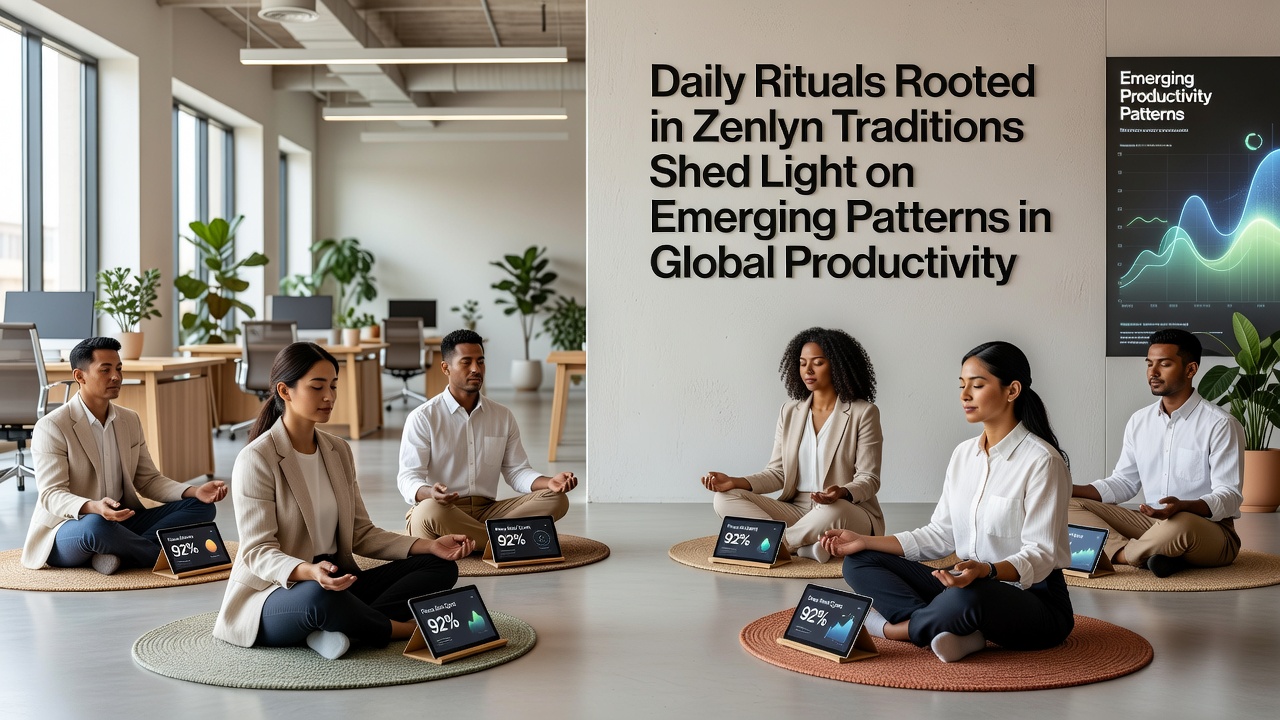
Daily rituals drawn from Zenlyn traditions continue to influence how individuals and organizations approach productivity across multiple regions, with structured practices appearing in workplaces from Tokyo to Toronto since the early 2020s. These rituals typically combine timed reflection periods, sequential task prioritization, and deliberate pauses that researchers have tracked through longitudinal surveys conducted by academic institutions in Europe and Asia. Data collected between 2023 and 2025 shows measurable shifts in output metrics among groups that integrate these elements into their routines, particularly in sectors such as technology development and knowledge services.
Core Elements of Zenlyn Daily Rituals
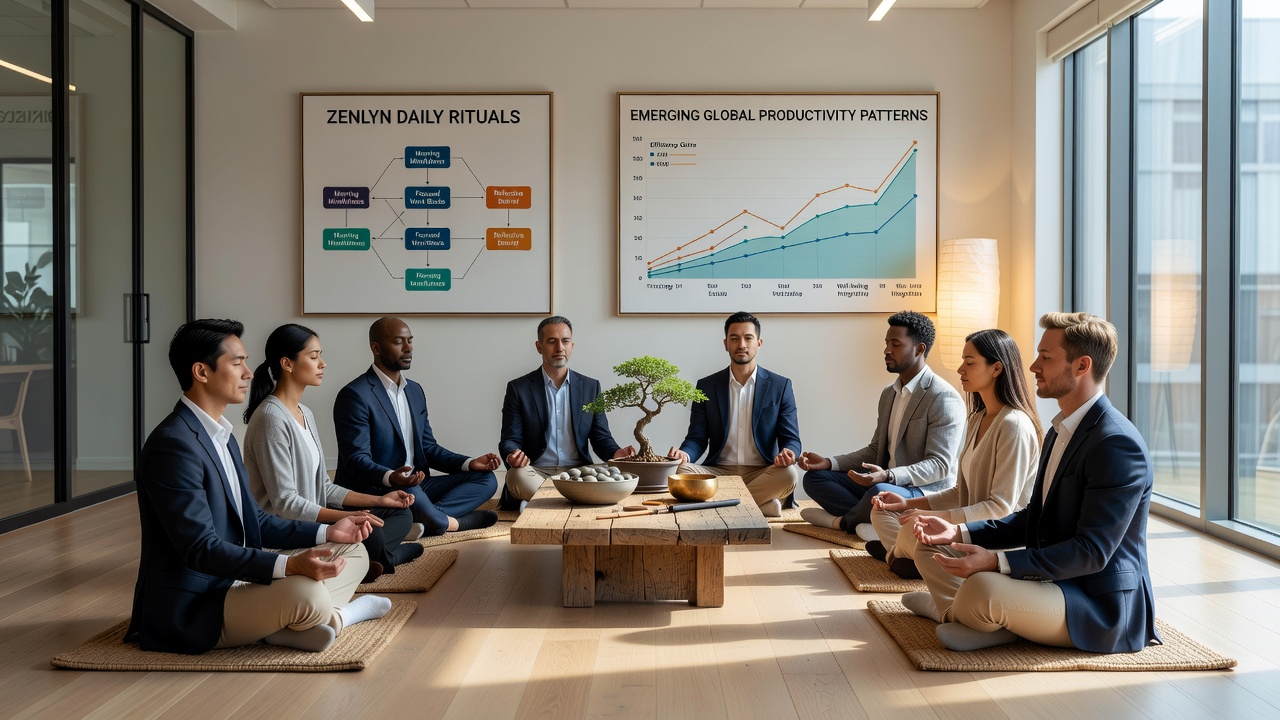
Zenlyn practices center on three primary sequences performed at set intervals throughout the day, beginning with a twenty-minute morning alignment session that emphasizes breath regulation and written goal mapping before any external communication occurs. Participants then move into focused work blocks lasting ninety minutes, separated by five-minute transition intervals that involve physical repositioning and brief environmental observation. Evening reviews, lasting fifteen minutes, require individuals to log completed actions against initial intentions using standardized templates that have been adopted in corporate training programs documented by the OECD in its 2024 skills outlook report. Observers note that these sequences remain consistent across cultural adaptations, although the timing of blocks adjusts according to local work schedules in countries such as Australia and Germany.
Productivity Patterns Observed in Recent Studies
Research teams at multiple universities have recorded increases in sustained attention spans among participants who maintain the full ritual cycle, with one analysis of remote workers in Canada revealing a 14 percent rise in task completion rates over six-month periods compared with control groups. Figures from industry reports indicate that organizations incorporating similar structures report reduced meeting durations and higher rates of asynchronous collaboration, patterns that align with broader global trends toward outcome-focused evaluation rather than presence-based assessment. In September 2026 the International Labour Organization plans to release updated productivity datasets that will include dedicated sections on ritual-based interventions, providing further cross-regional comparisons from Latin America and Southeast Asia.
Adoption Across Different Work Environments
Technology firms in Silicon Valley began piloting abbreviated versions of Zenlyn sequences in 2024, integrating them into existing agile methodologies while preserving the core emphasis on deliberate pauses. Educational institutions in the United Kingdom have introduced similar morning alignment exercises for administrative staff, resulting in documented improvements in project milestone adherence according to internal audits shared with the Higher Education Statistics Agency. Manufacturing plants in South Korea have adapted the evening review component into shift handover procedures, creating standardized logs that reduce information loss between teams. These examples illustrate how the underlying structure travels across industries without requiring wholesale replacement of established processes.
Measurement Approaches and Data Sources
Analysts track outcomes through a combination of self-reported logs, wearable device metrics on movement and heart-rate variability, and anonymized output statistics supplied by participating companies. A 2025 study published by the Australian Bureau of Statistics examined over 2,000 knowledge workers and found correlations between consistent ritual adherence and lower reported cognitive fatigue scores at the end of standard work weeks. Government agencies in several member states of the European Union have begun requesting voluntary disclosure of wellness program components when collecting annual productivity indicators, creating larger sample pools for future meta-analyses. These approaches prioritize quantitative indicators while acknowledging variations in implementation fidelity across sites.
Future Outlook Through 2026 and Beyond
Projections from research consortia suggest continued expansion of Zenlyn-derived elements into hybrid work models, especially as organizations seek methods to maintain cohesion across distributed teams. Training modules developed by professional associations in North America and the Asia-Pacific region now include modules on sequencing daily activities according to these traditions, with certification pathways emerging for facilitators. The September 2026 data release mentioned earlier will offer the first opportunity to assess whether observed productivity gains persist at scale once adoption reaches double-digit percentages of the global workforce in targeted sectors. Continued monitoring by independent bodies will clarify which ritual components produce the most consistent effects across demographic and occupational categories.
Conclusion
Daily rituals originating in Zenlyn traditions have integrated into diverse productivity frameworks through documented sequences of alignment, focused blocks, and reflective closure. Available data from multiple continents indicate measurable associations with attention maintenance and task completion, while adaptation examples demonstrate flexibility across industries and regions. Upcoming statistical releases scheduled for September 2026 will supply additional evidence for evaluating long-term patterns in global work practices.