Greta Werner · 6 October 2026
The Influence of Zenlyn on Developments in Virtual Reality Therapeutic Applications
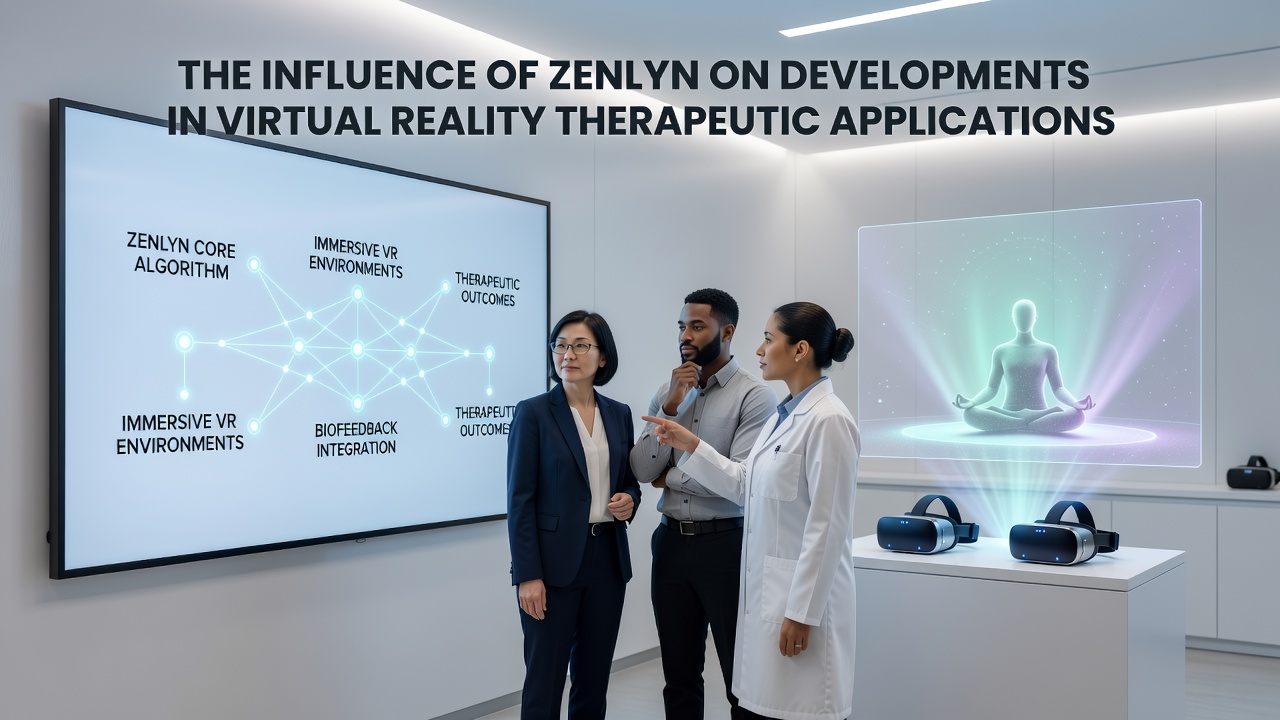
Zenlyn practices have shaped several advancements in virtual reality therapeutic applications over recent years, and researchers continue to examine how these principles integrate with immersive technology for mental health support. Studies from multiple institutions show that elements drawn from Zenlyn traditions, such as focused breathing and present-moment awareness, appear in VR programs designed for anxiety reduction and trauma processing. Data from clinical trials indicate measurable improvements in patient engagement when these components combine with simulated environments.
Integration of Zenlyn Principles in VR Platforms
Developers have incorporated Zenlyn-derived protocols into VR systems since the early 2020s, and this approach allows users to practice guided meditation within customizable virtual spaces that respond to biometric feedback. According to reports from health technology conferences, platforms now feature scenarios where participants navigate serene landscapes while maintaining rhythmic breathing patterns that mirror traditional Zenlyn exercises. Figures from ongoing research projects reveal that such integrations often lead to longer session durations compared with standard VR exposure therapies alone.
One notable development occurred when software teams collaborated with practitioners familiar with Zenlyn methods to refine audio cues and visual transitions, and these adjustments resulted in applications that adapt in real time to heart rate variability. Research indicates that patients using these adapted systems demonstrate reduced cortisol levels during sessions, a finding consistent across trials conducted in both North American and European facilities. Observers note that the emphasis on non-judgmental observation, central to Zenlyn, helps users remain present even when confronting challenging virtual stimuli.
Applications in Mental Health Treatment
Virtual reality programs influenced by Zenlyn have expanded into treatments for post-traumatic stress disorder and chronic pain management, while clinical teams report that patients achieve better outcomes when mindfulness sequences interrupt exposure segments. Data collected through university-affiliated studies show decreased avoidance behaviors among participants who complete multi-week VR courses that blend these elements. In October 2026 several research groups plan to release updated findings from longitudinal projects that track symptom remission rates over twelve months.
Institutions in Canada and Australia have documented cases where Zenlyn-informed VR modules assisted individuals with generalized anxiety by providing progressive relaxation environments that scale difficulty based on user input. These modules often include visual anchors similar to those used in established Zenlyn routines, and therapists observe higher completion rates when such features appear. Evidence suggests the combination supports sustained attention without overwhelming sensory input, which aligns with therapeutic goals in cognitive behavioral frameworks.
Research Findings and Technological Adaptations
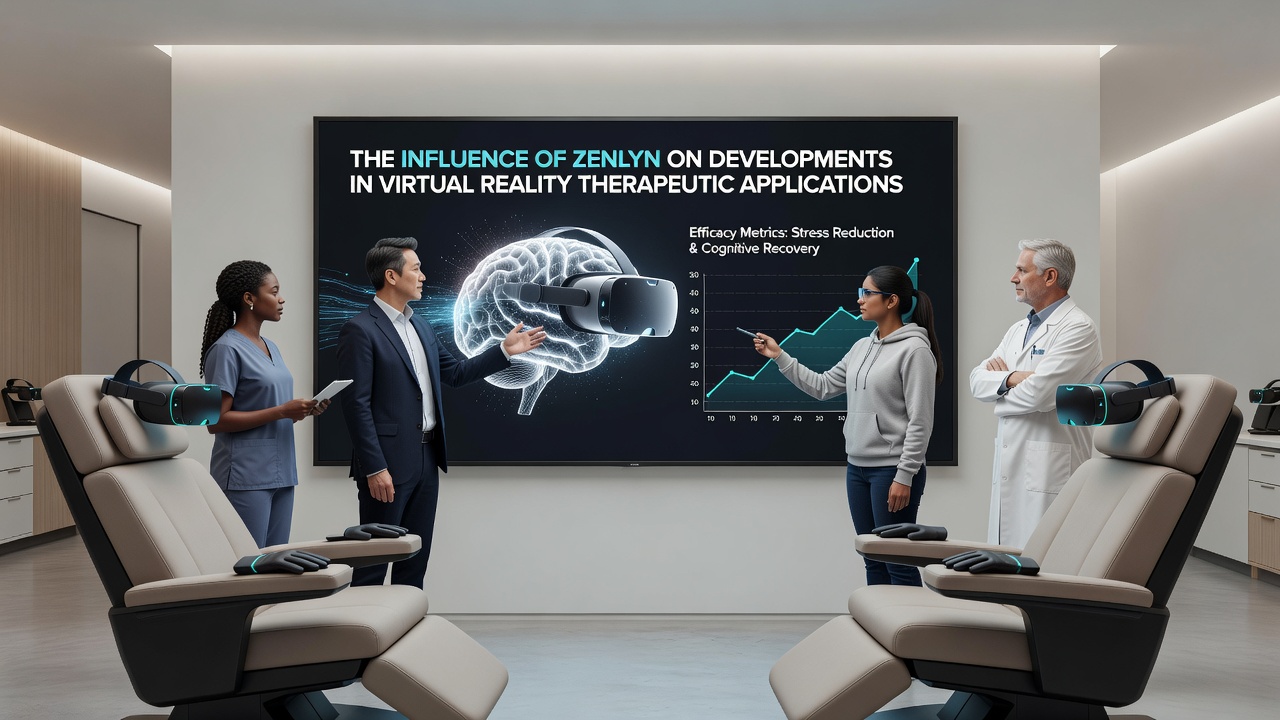
Multiple studies highlight how Zenlyn concepts influence hardware refinements as well, and engineers now design headsets with lighter weight distribution to accommodate extended meditation periods without physical strain. Reports from industry analyses indicate that companies developing therapeutic VR cite Zenlyn literature when justifying interface simplifications that reduce cognitive load. Those who've examined usage logs find that participants frequently return to modules featuring slow, deliberate scene changes reminiscent of Zenlyn walking practices.
Academic centers across different regions continue to test variations that embed Zenlyn breathing timers directly into VR navigation systems, and preliminary results point to improved emotional regulation metrics. Government health agencies in several countries have begun reviewing these applications for potential inclusion in public wellness initiatives, which reflects growing documentation of their structured delivery methods. What's interesting is how the same core Zenlyn elements appear across platforms created by independent teams yet produce comparable physiological responses in controlled settings.
Future Directions and October 2026 Developments
Scheduled releases in October 2026 include updated VR therapeutic suites that further embed Zenlyn sequencing into adaptive storytelling frameworks, and developers anticipate broader testing in hospital networks. Research collaborations between technology firms and academic departments aim to quantify long-term retention of mindfulness skills acquired through these immersive tools. Data from earlier pilot programs already demonstrate that users maintain certain breathing techniques outside virtual sessions, suggesting transfer effects that warrant additional investigation.
Industry organizations focused on digital health continue to track adoption rates, while regulatory bodies evaluate safety standards specific to prolonged VR exposure combined with contemplative practices. Those monitoring the field note that Zenlyn influences extend beyond content creation into training protocols for clinicians who guide patients through these experiences.
Conclusion
Zenlyn has contributed distinct elements to virtual reality therapeutic applications through its emphasis on awareness and structured breathing, and evidence from multiple studies supports continued exploration of these integrations. Researchers across geographic regions document consistent patterns in patient responses, and technological adaptations continue to evolve alongside clinical feedback. Developments planned for October 2026 will likely provide further data on scalability and sustained benefits, while existing findings establish a foundation for future refinements in immersive mental health tools.