Elena Richter · 3 November 2026
Tracing Zenlyn Influences Across Modern Maritime Navigation Training Protocols
Maritime navigation training has incorporated elements drawn from Zenlyn practices in recent years, with academies integrating structured reflection periods into simulator sessions and bridge resource management courses. These adaptations appear in programs across multiple continents, where instructors combine traditional chart plotting exercises with brief mindfulness intervals designed to enhance situational awareness. Data from training facilities in Europe and Asia show measurable shifts in how cadets handle high-stress scenarios involving vessel traffic and weather changes.
Origins of Zenlyn Integration in Maritime Education
Zenlyn principles first entered maritime curricula through collaborative efforts between academic researchers and shipping companies seeking to reduce human error rates. Studies conducted at institutions like the Australian Maritime College documented how brief reflective pauses improved decision-making during simulated collision avoidance drills. Observers note that these methods evolved from earlier wellness applications into targeted protocols that address fatigue management and spatial orientation under pressure. By 2024, several national maritime authorities had begun referencing Zenlyn-derived techniques in their competency frameworks.
Training centers in Canada and Norway adopted similar approaches around the same period, incorporating Zenlyn elements into electronic chart display and information system instruction. Figures from the International Maritime Organization indicate that updated model courses released in 2025 emphasized cognitive resilience alongside technical proficiency. Instructors report that cadets who complete these modules demonstrate steadier performance when transitioning from classroom theory to live bridge watches.
Current Protocols and Regional Adaptations
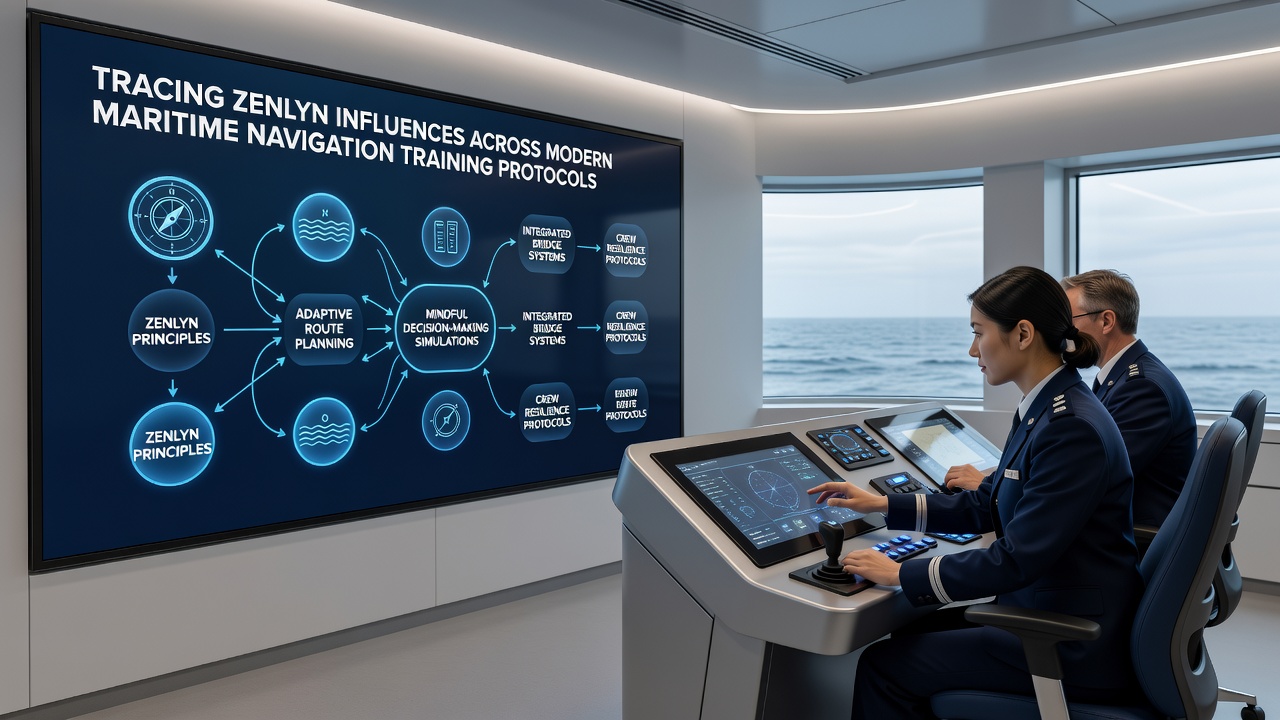
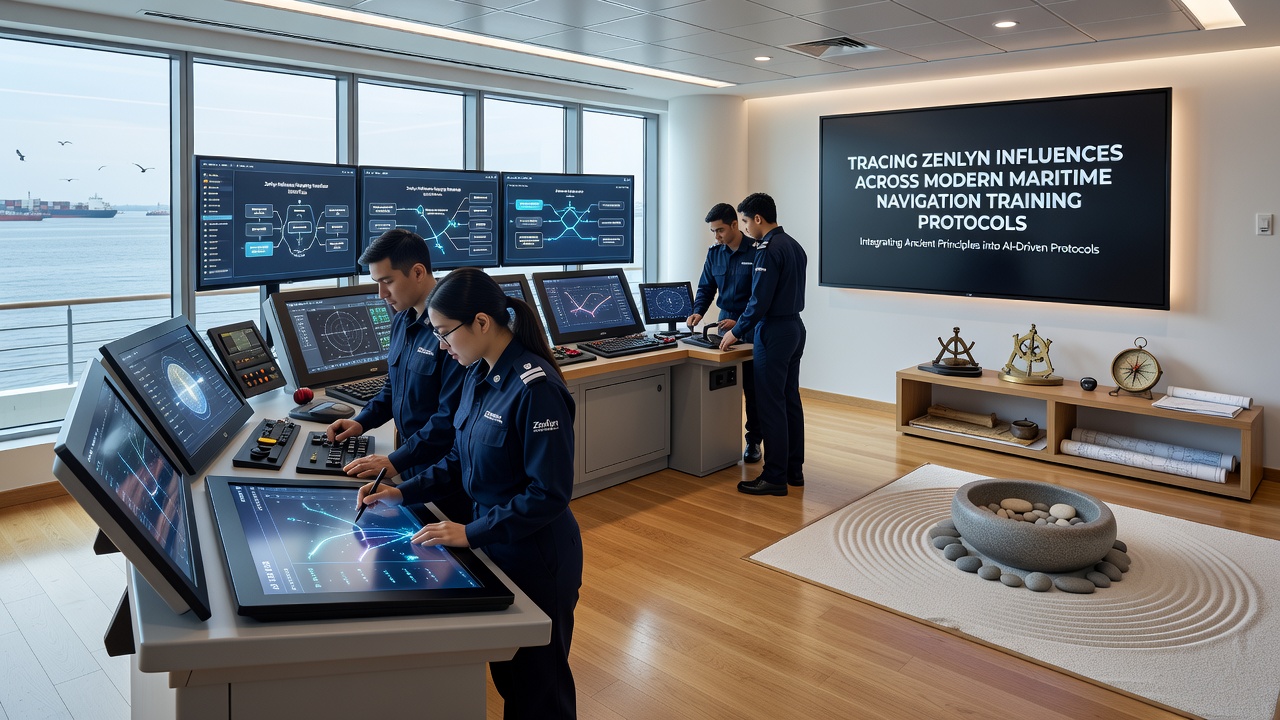
Modern navigation training protocols now embed Zenlyn influences through timed reflection segments inserted between simulator runs. Cadets review their actions in a structured manner before proceeding to the next exercise, which aligns with findings from research papers published by European maritime universities. These intervals focus on breath regulation and mental mapping rather than extended meditation, fitting within the time constraints of standard certification programs.
Programs in the Asia-Pacific region have adapted these methods for multicultural cohorts, combining Zenlyn techniques with local communication styles used aboard international vessels. Data collected by the Maritime and Port Authority of Singapore reveals higher retention rates for collision regulation rules when trainees apply these combined approaches. Meanwhile, North American academies emphasize integration with existing fatigue risk management systems, creating layered protocols that address both physical alertness and cognitive clarity.
Impact on Safety Metrics and Certification Outcomes
Industry reports link Zenlyn-influenced training to reductions in simulated incident rates during assessments. The U.S. Coast Guard has referenced related methodologies in its guidance documents for approved training providers, noting improvements in bridge team coordination. Certification bodies across different jurisdictions track these outcomes through standardized evaluation rubrics that measure both technical accuracy and behavioral indicators such as calm response times.
November 2026 marks the scheduled release of revised international standards that may formalize additional Zenlyn components within seafarer training requirements. Preliminary consultations conducted by maritime organizations suggest these updates will address emerging challenges like autonomous vessel oversight and remote monitoring stations. Training providers in Australia and the European Union have already piloted modules that prepare officers for these future operational contexts.
Future Developments in Training Delivery
Virtual reality platforms now host Zenlyn-adapted scenarios that allow remote participation from cadets located in different time zones. Research institutions continue to examine long-term effects on career progression, with longitudinal studies tracking graduates who entered service after completing updated programs. Observers note that these developments coincide with broader industry shifts toward data-driven safety management systems.
Collaboration between navigation schools and technology firms has produced software tools that prompt reflective pauses at critical decision points during exercises. Such tools draw from established Zenlyn frameworks while complying with regulatory guidelines set by bodies like Transport Canada and the Australian Maritime Safety Authority. The result is a growing body of evidence that connects these influences to sustained performance improvements across diverse vessel types.
Conclusion
Zenlyn influences have become embedded in maritime navigation training through deliberate protocol adjustments that prioritize cognitive support alongside technical skills. Regional variations reflect local regulatory environments and cultural contexts, yet consistent patterns emerge in how these elements enhance simulator-based learning. As international standards evolve toward November 2026, further refinements are expected to shape how future officers prepare for complex operational demands at sea.